

You pull out a dining chair and feel a sticky patch on the rail beneath the seat. The tabletop is clean. The chair looks fine from across the room. But your fingers found the spot that the usual after-dinner wipe missed.
In a Little Silver home where the dining table doubles as a place for snacks and homework, chair rails deserve a place on the cleaning list. A careful pass around one chair can tell you whether you're dealing with removable residue or a finish that needs different care. Start with the chair you use most.
Find the places your hands miss
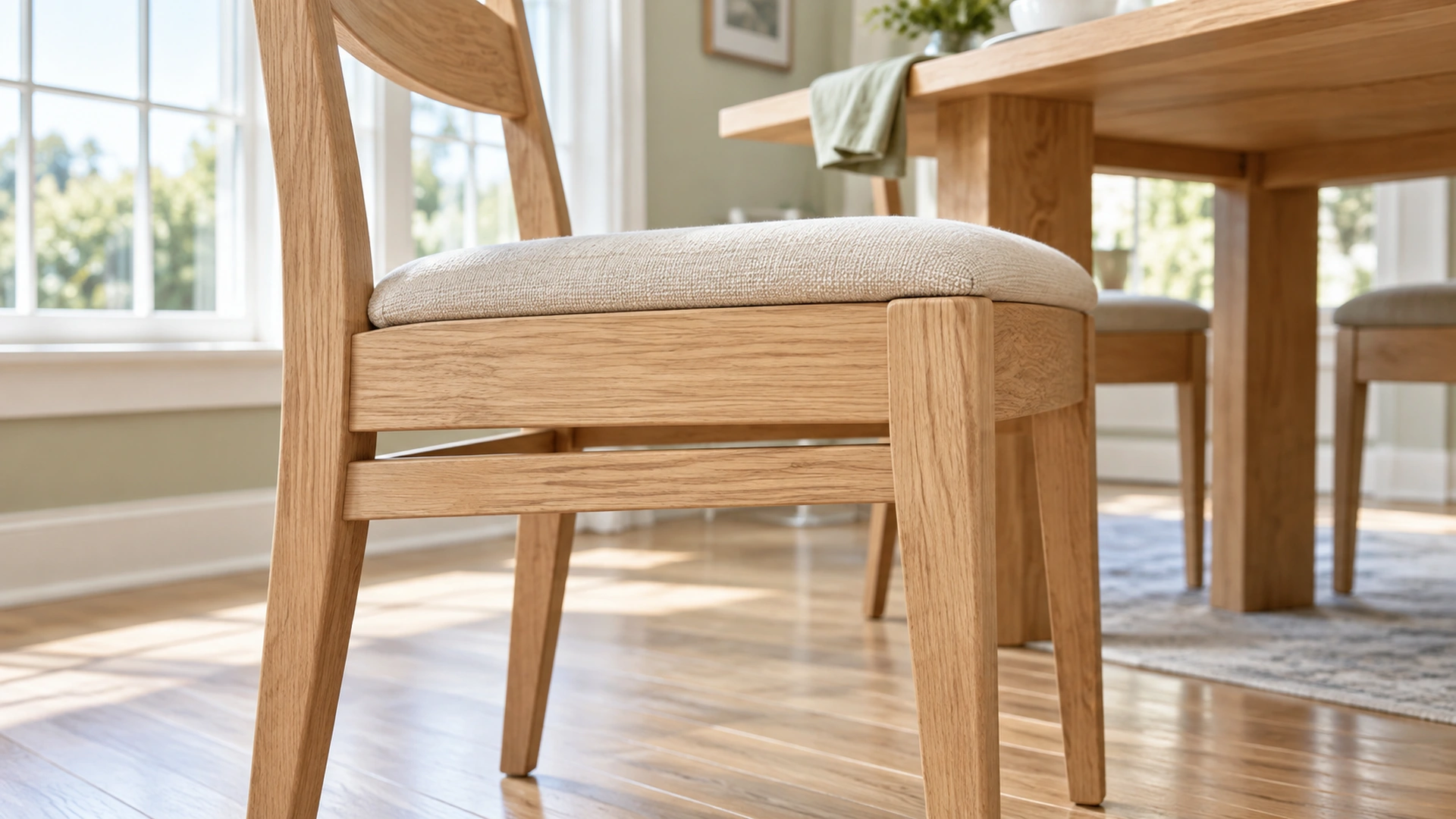
Pull the chair away from the table far enough to see its sides. Check the front rail just below the seat, the lower stretchers between the legs, and the back where you grip it. Crumbs can sit along the seat edge while a sticky mark hides on the underside of a rail.
Use a lamp if the dining room light leaves those areas in shadow. Keep the chair upright and stable while you look. There's no need to balance it on the table or turn a heavy chair over to reach one patch.
Notice whether the surface is painted wood, a clear finish, metal, or another material. Upholstered seats and woven panels need their own care instructions. Keep the work on the hard frame separate from the fabric so you don't spread moisture or residue onto it.
Check the finish before choosing a cleaner
Look for the furniture maker's care label or instructions before using a product. A cleaner suitable for the tabletop may not suit the chairs, even when the pieces came as a matching set. Use the method specified for that particular finish.
Remove loose crumbs with a soft dry cloth or a suitable soft vacuum attachment first. Check that the attachment is clean and won't mark the surface. Dry debris is easier to collect before it gets mixed into a damp wipe.
If the care instructions allow damp cleaning, wring the cloth well and test the approved method on a small hidden spot. Let that spot dry before proceeding. Stop if color transfers, the sheen changes, or the surface feels softer. A worn or failing finish can feel tacky too; repeated scrubbing may make it worse.
Check the rail beneath the seat after it dries; the tabletop can look clean while that small patch still needs attention.
Work around one rail at a time
Fold a clean cloth into a small pad so you can follow the rail without catching the seat above it. Apply an approved cleaner as its label directs. Avoid spraying into joints or onto upholstery, and don't leave liquid sitting where two pieces of wood meet.
Wipe a short section gently, then use a fresh part of the cloth for the next section. Trying to do the whole chair with one dirty fold can move the residue around. Where the rail meets a leg, use the corner of the cloth to reach the edge without digging into the finish.
Follow any product instructions for removing residue, then dry the area with a separate soft cloth. Leave abrasive pads and improvised scraping tools out of this job. If a mark stays after a gentle pass, check the care guidance again before increasing pressure or changing products.
Check the chair when it is dry
Once the cleaned area is dry, run a clean fingertip lightly along the same rail. Check it from a low angle as well. You want to know whether the tackiness is gone and whether the finish still looks consistent with the untouched area.
If the surface remains sticky, pause. Tell a furniture care professional what the chair is made of and what you used. Cleaning can't promise to repair softened, peeling, or worn finishes.
For ordinary upkeep, add the chair backs and reachable rails to your dining-area routine. Luisa's house cleaning in Little Silver is a place to start when you want help with the rooms around that busy table. Mention the chairs when discussing your priorities so the materials and scope can be confirmed.
Put the chair details in your cleaning request
If sticky rails are part of a larger dining-room backlog, ask about deep cleaning in Little Silver. Describe the buildup and identify any delicate finishes. Furniture restoration and upholstery care should be discussed separately from a household cleaning request.
When you request a Luisa's cleaning estimate, include the number of chairs, their materials if known, and the spots that need attention. Keep the maker's instructions handy. Before the visit, clear bags and papers from the seats and leave enough space to reach the chair frames safely.
AI-generated illustrations show imagined home settings, not real customers, customer homes, or completed cleaning work.